


.png)
A global nonprofit organization approached Convergence Design Lab with an unexpected challenge. Its intensive leadership program for young adults had become so successful that thousands of highly qualified applicants were being turned away each year.
The organization recognized that these applicants represented an extraordinary community of emerging leaders—people already bringing talent, commitment, and local knowledge to urgent environmental and community challenges all across the globe —and wanted a way to offer opportunities for engagement, skillbuilding, or mentorship to this group. However, it lacked reliable information about who they were, what motivated them, the skills and connections they needed, and how they hoped to engage beyond the highly selective program.
With limited staff and resources, the organization needed more than a traditional program evaluation. It needed a research and learning design partner that could uncover actionable insights and translate them into realistic opportunities for reaching a much broader global community.
Convergence designed a mixed-method discovery study grounded in learning sciences, youth development, and design-based research.
Working closely with the organization’s education team, we:
I was especially impressed by how Convergence facilitated global youth focus groups, ensuring they were interactive, culturally responsive, participatory, and engaging. —Program leader
Across regions, we encountered a generation of young people already acting on urgent challenges in their communities. They are motivated, systems-oriented, and impact-driven. The research process revealed that they were in need of structured pathways, relational infrastructure, and accessible leadership development opportunities that match their ambition.
We used a set of interconnected design questions to translate the research findings into recommendations:
These lenses helped us consider how an organization could extend engagement beyond a single program—creating multiple ways for people to participate, build relationships, develop skills, access opportunities, and contribute over time. Applying these lenses, we developed strategic insights, design considerations, and a phased roadmap for engagement.
The research gave the organization a deeper, evidence-based understanding of its global applicant community, including what motivates them, where they want to grow, and the barriers they face.
From this work, Convergence identified a strategic opportunity to think beyond expanding a single high-touch program. Instead, the organization could create a broader capacity development ecosystem through which young people could find opportunities, connect with peers and mentors, and take on greater leadership over time.
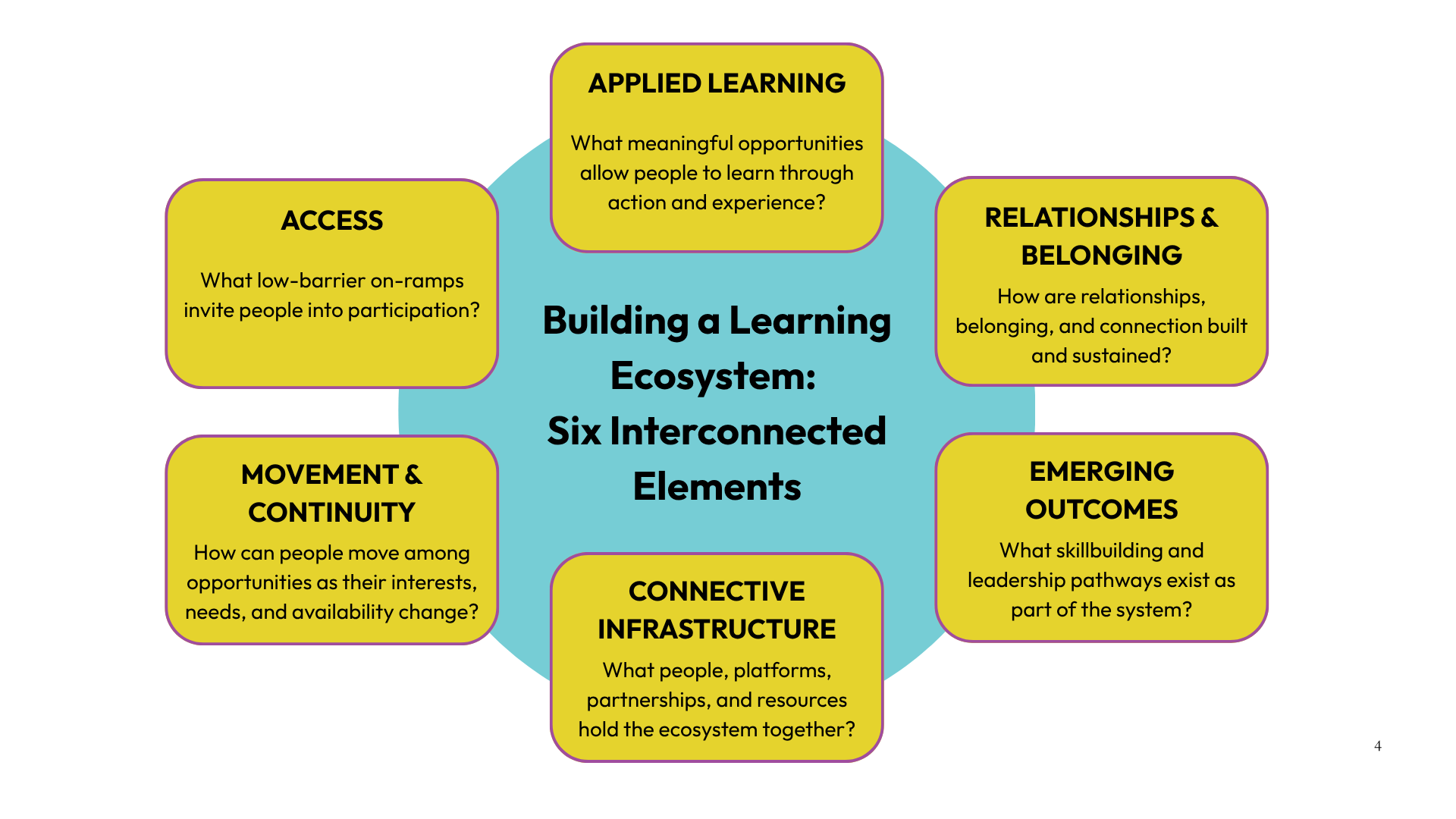
The resulting recommendations—including a client-specific leadership ecosystem model—gave teams a practical way to connect existing programs with new forms of engagement that could reach more people. Some recommendations could be put into practice quickly, such as making communications and resources more accessible or creating new ways for people to participate. Others pointed toward longer-term opportunities in applied learning, mentorship, peer communities, and career development.
Convergence’s research and collaborative design process helped the organization:
By translating complex data and evidence into practical strategic recommendations, Convergence helped us think differently about how to support emerging leaders. I am confident their insights will guide our strategy for years to come. —Program leader

Our flexible and client-centered approach ensures that the final outcome is perfectly tailored to meet your organization’s unique vision of success.

